
Natural maple flavor brings the forest to your kitchen table, and it’s far more versatile than you might think. Derived from the concentrated sap of sugar maple trees through a careful boiling process, genuine natural maple flavor delivers complex sweetness, earthy undertones, and a warmth that artificial versions simply can’t replicate. The difference lies in hundreds of naturally occurring compounds created during sap evaporation, which produce that distinctive caramel-meets-woodsmoke character.
You’ll find natural maple flavor in pure maple syrup (the gold standard), maple sugar, maple cream, and maple extract. Each form offers unique applications: syrup for glazes and beverages, sugar for dry rubs and baking, extract for concentrated flavor without added moisture.
Most home cooks stop at pancakes and waffles, missing the ingredient’s true potential. Maple’s natural affinity for savory foods opens up a world of possibilities. It balances the heat in bourbon-based cocktails, deepens the complexity of roasted root vegetables, and transforms simple vinaigrettes into restaurant-quality dressings. For adventurous cooks, maple pairs beautifully with cannabis in infused desserts and beverages, where its robust flavor profile masks herbal notes while adding sophisticated sweetness.
This guide explores twelve creative ways to work with natural maple flavor, from traditional favorites reimagined to unexpected savory applications that will change how you think about this remarkable ingredient.
What Makes Natural Maple Flavor Different
Natural maple flavor begins with sap collected from sugar maple trees each spring. This clear, slightly sweet liquid contains about 2% sugar and requires 40 gallons of sap to produce just one gallon of finished syrup through a careful evaporation process. During boiling, the sap undergoes a remarkable transformation, heat triggers the Maillard reaction between sugars and amino acids, creating over 300 distinct flavor compounds. These molecules give authentic maple its signature notes of vanilla, caramel, butter, and even subtle hints of coffee and nuts.
Artificial maple flavoring, by contrast, typically uses fenugreek seed extract or synthetic compounds like cyclotene and maltol to mimic maple’s taste. These shortcuts produce a one-dimensional sweetness that lacks the layered depth of the real thing. You’ll notice artificial versions taste uniformly candy-like, while natural maple has earthy undertones and a clean finish. The difference becomes even more apparent in cooking, natural maple develops richer caramelization and complements both sweet and savory ingredients, whereas artificial flavoring can turn harsh or bitter when heated.
Natural maple syrup also offers nutritional advantages. It contains manganese, zinc, and antioxidants that artificial syrups lack entirely. The four grades of pure maple syrup (Golden, Amber, Dark, and Very Dark) provide intensity options, lighter grades work beautifully in delicate applications like tea maple syrup infusions, while darker grades bring robust flavor to marinades and baked goods.
How We Selected These Maple Flavor Applications
We built this list around practicality and range. Each application needed to work in a real home kitchen without specialty equipment or hard-to-find ingredients. That meant choosing techniques you can tackle on a Tuesday evening, not just weekend projects.
Balance guided every choice. We wanted traditional uses that honor maple’s heritage alongside fresh ideas that push beyond pancakes. Sweet and savory applications appear in equal measure because natural maple flavor shines in both realms. Breakfast gets its due, but so do cocktails, marinades, and condiments.
Versatility mattered too. The best applications adapt to different skill levels and dietary preferences. A maple glaze works whether you’re roasting vegetables or grilling salmon. A simple syrup sweetens coffee or becomes the base for cocktails.
We included family-friendly options like granola and baked goods, then added adult-focused applications such as cannabis edibles and craft cocktails for those seeking more adventurous territory. Current trends in 2026 influenced our selections: natural sweeteners in beverages, savory maple applications gaining momentum, and homemade alternatives to processed condiments.
The goal? Show natural maple flavor as the everyday ingredient it deserves to be.
1. Maple-Glazed Breakfast Proteins
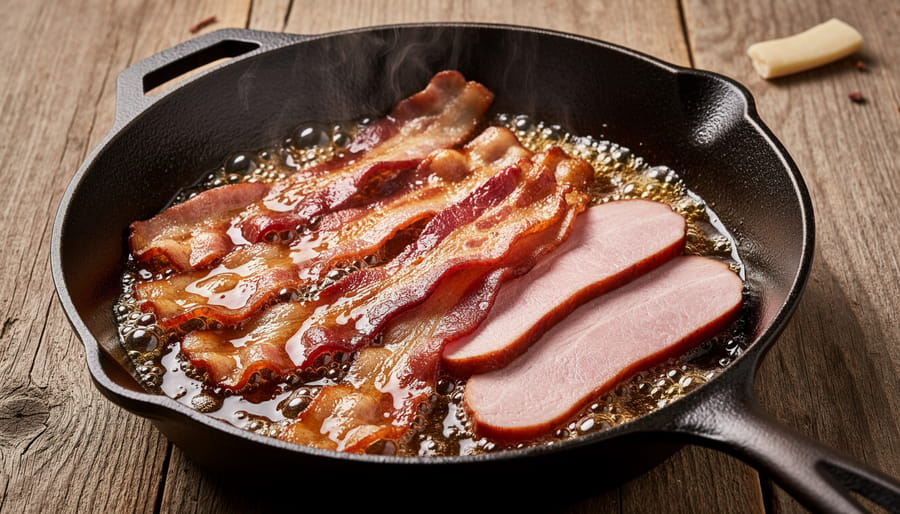
Brushing bacon, sausage, or breakfast ham with pure maple syrup during the last few minutes of cooking creates a glossy, caramelized exterior that balances the meat’s saltiness with natural sweetness. The technique is straightforward: cook your protein about three-quarters of the way through using your preferred method, then brush on a thin layer of maple syrup and continue cooking until it bubbles and darkens slightly. For bacon, this means waiting until it’s mostly crisp before adding syrup. Sausage links benefit from a quick sear after glazing to lock in the coating.
The magic happens when maple’s natural sugars hit high heat. They caramelize quickly, forming a tacky glaze that clings to the meat’s surface without turning bitter like refined sugar can. Watch carefully once you apply the syrup, the window between perfect caramelization and burnt is narrow, usually thirty to sixty seconds.
Pair maple-glazed proteins with black pepper for heat, smoked paprika for depth, or a pinch of cayenne if you want contrast. A light dusting of flaky sea salt after cooking amplifies both the sweet and savory notes.
2. Maple-Infused Coffee and Lattes
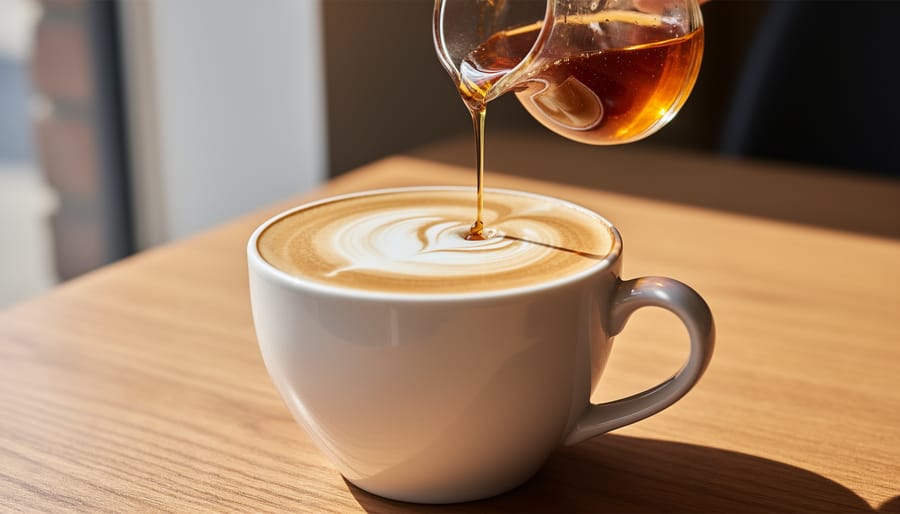
Natural maple syrup dissolves seamlessly into hot coffee, offering a clean sweetness that white sugar can’t match. Start with one teaspoon per eight-ounce cup and adjust to taste, maple’s flavor intensity means a little goes further than you’d expect.
The syrup’s caramel undertones complement coffee’s natural bitterness without masking the beans’ character. Unlike refined sugar, maple adds depth rather than just sweetness, creating a more rounded cup. This pairing works especially well with medium and dark roasts where the robust coffee flavors can stand up to maple’s presence.
For a quick maple latte, steam your milk first, then stir in one tablespoon of pure maple syrup before adding espresso. The heat helps the syrup blend thoroughly, preventing sweet spots at the bottom of your mug. Cold brew fans can shake maple syrup with cold milk in a sealed jar before pouring over ice and coffee, the agitation ensures even distribution in cold liquids.
Specialty coffee shops have embraced this trend as consumers seek alternatives to artificial syrups, making maple lattes a permanent fixture on many 2026 menus.
3. Roasted Vegetable Glazes
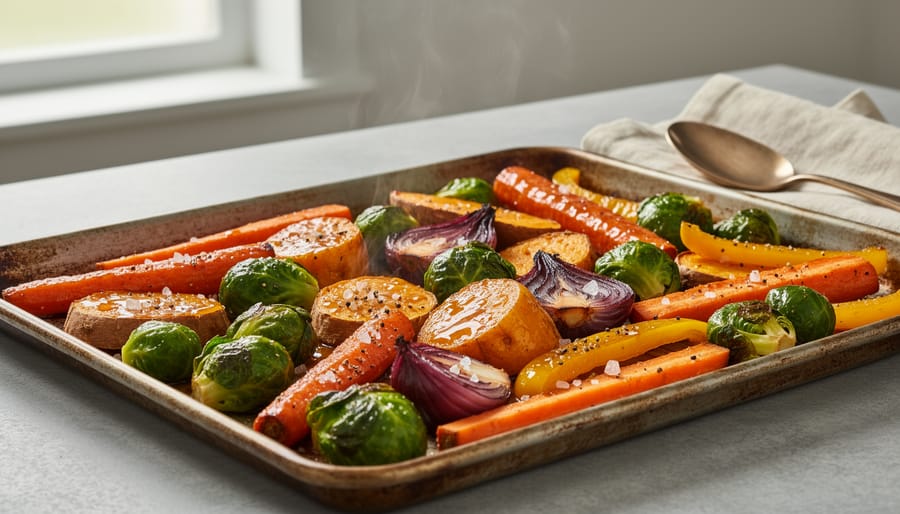
Natural maple flavor works magic on roasted vegetables, creating a glaze that balances sweetness with earthy, savory depth. The sugars in pure maple syrup caramelize beautifully on root vegetables like carrots, parsnips, and sweet potatoes, while Brussels sprouts and butternut squash develop crispy, golden edges with complex flavor.
The key is timing and temperature. Roast vegetables at 400-425°F until nearly tender, then brush them with a maple glaze during the final 10-15 minutes. This prevents the sugars from burning while allowing enough heat for proper caramelization. The maple doesn’t just add sweetness, it intensifies the vegetables’ natural flavors and creates sticky, glossy surfaces that make even Brussels sprouts irresistible to skeptics.
A simple glaze formula: whisk together three tablespoons maple syrup, two tablespoons olive oil, one tablespoon balsamic vinegar, minced garlic, salt, and black pepper. Toss vegetables in half the glaze before roasting, then brush with the remainder near the end. For deeper savory notes, add fresh thyme, rosemary, or a pinch of smoked paprika.
4. Maple Vinaigrettes and Salad Dressings
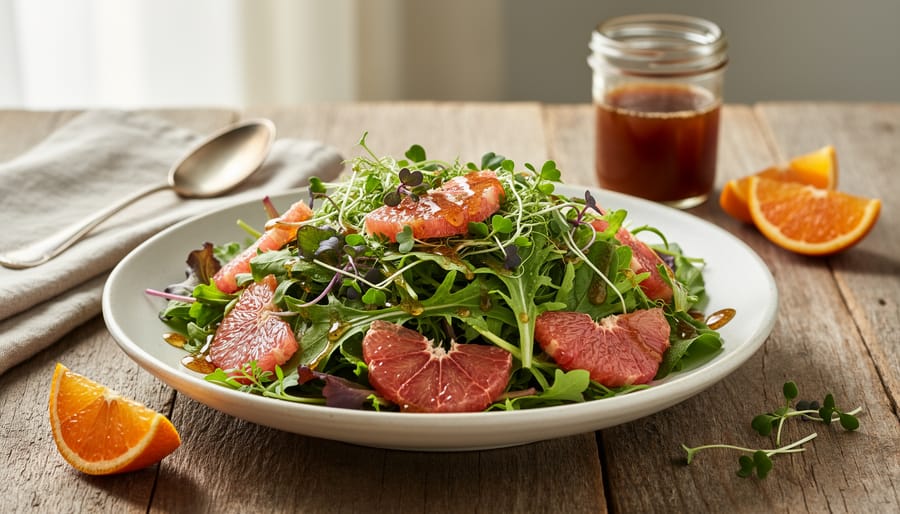
Natural maple syrup excels as the sweetening agent in vinaigrettes because it dissolves readily into acidic liquids without the grittiness of granulated sugar. The key to a balanced maple vinaigrette lies in the classic 3:1 ratio, three parts oil to one part acid, with maple syrup added at roughly one to two tablespoons per quarter cup of acid, depending on your preferred sweetness level.
For emulsification, whisk the maple syrup with vinegar or citrus juice first, then slowly drizzle in the oil while whisking continuously. The natural viscosity of maple helps stabilize the mixture, though a small spoonful of Dijon mustard makes it even more foolproof.
Pair robust maple vinaigrettes (using dark syrup) with autumn salads featuring roasted beets, goat cheese, and walnuts. Lighter vinaigrettes made with golden syrup complement spring greens, strawberries, and almonds. For citrus-based dressings, maple plays beautifully with lemon over arugula or orange over spinach, softening the sharp edges while adding complexity beyond simple sweetness.
5. Maple-Enhanced Baked Goods
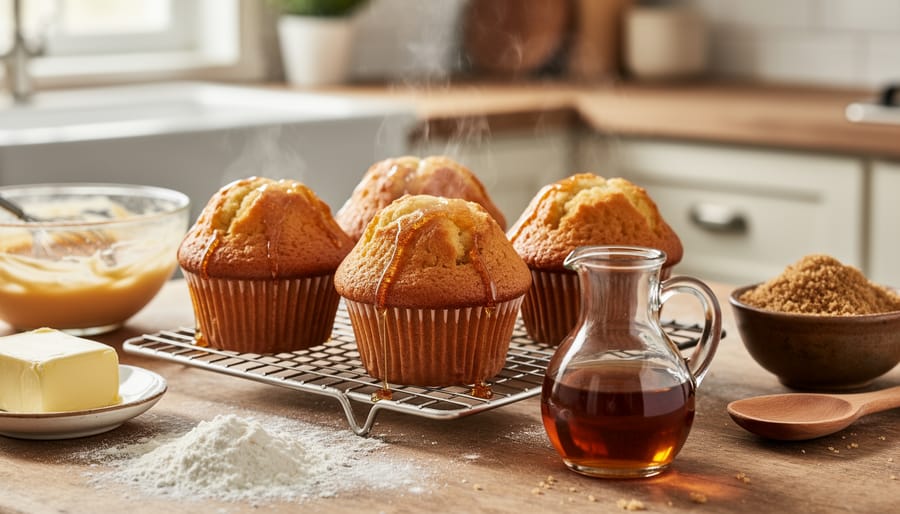
Natural maple syrup brings more than sweetness to baked goods, it adds moisture, subtle complexity, and a warm undertone that refined sugar can’t match. When substituting maple syrup for granulated sugar, use ¾ cup syrup for every cup of sugar and reduce other liquids in the recipe by about 3 tablespoons. This prevents overly dense or wet batters. The syrup’s liquid content means you’re adding both sweetener and moisture simultaneously, which works beautifully in muffins and quick breads where a tender crumb is desired.
Maple sugar offers a simpler swap, substitute it 1:1 for granulated sugar without adjusting liquids. It dissolves slightly slower, so cream it thoroughly with butter or mix it well into batters. Use maple sugar when you want pronounced maple flavor without altering texture, such as in shortbread cookies or pound cakes. For lighter maple notes, replace just half the sugar with maple syrup and keep the rest as granulated. This partial substitution works perfectly in vanilla cakes or blueberry muffins where you want maple as a supporting flavor rather than the star.
6. Maple Marinades for Grilled Meats
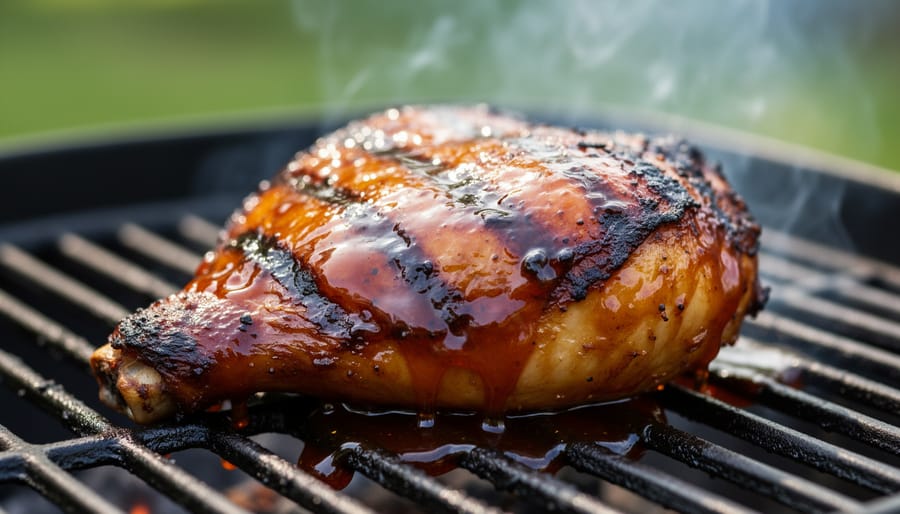
Natural maple syrup brings remarkable depth to grilled meat marinades, creating a sophisticated balance between sweet caramelization and savory complexity. When combined with acidic ingredients like vinegar, citrus juice, or wine, maple doesn’t just add sweetness, it actively helps tenderize proteins by breaking down muscle fibers while its sugars promote that sought-after mahogany crust on the grill.
For chicken, try whisking together equal parts maple syrup and soy sauce with a splash of apple cider vinegar, minced garlic, and cracked black pepper. Pork benefits from a bolder approach: combine maple with Dijon mustard, bourbon, and fresh thyme. Salmon pairs beautifully with maple, lime juice, grated ginger, and a touch of sesame oil for an Asian-inspired glaze.
The key challenge with maple marinades is preventing scorching. Those natural sugars caramelize quickly, which creates incredible flavor but can turn bitter if you’re not careful. Marinate for two to four hours maximum, longer won’t improve tenderness and risks an overly sweet surface. When grilling, use medium heat rather than high, and reserve some unmarinated maple mixture to brush on during the final minutes of cooking for a glossy finish without the char.
7. Cannabis-Infused Maple Treats
LEGAL DISCLAIMER: This section is intended for adults 21+ in jurisdictions where cannabis is legal. Always verify local laws and consume responsibly.
Natural maple flavor excels in cannabis edibles because its robust, complex taste helps balance the earthy bitterness of cannabis while adding genuine sweetness. The syrup’s viscosity also aids in evenly distributing infused butter or oil throughout recipes.
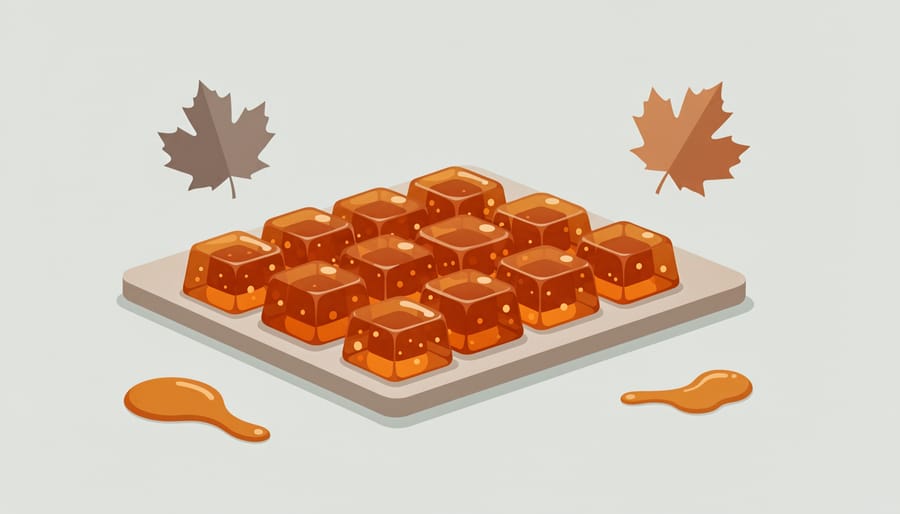
For maple cannabis candies, decarboxylate your cannabis first, then infuse it into butter or coconut oil using low heat. Mix the infusion into heated pure maple syrup (about 1/4 cup infused oil to 2 cups syrup), then pour into silicone molds and refrigerate. The result is smooth, rich candies where maple’s caramel notes complement rather than fight cannabis flavor.
Infused maple syrup works beautifully drizzled over pancakes or stirred into coffee. Combine decarboxylated cannabis with maple syrup in a double boiler, maintaining 160-180°F for two hours, then strain through cheesecloth.
Start with conservative dosing, typically 5-10mg THC per serving, and label all edibles clearly. Wait at least two hours before consuming more, as edibles metabolize slowly. Store cannabis-infused maple products in clearly marked, child-proof containers in the refrigerator for up to three weeks.
8. Maple Cocktails and Mocktails
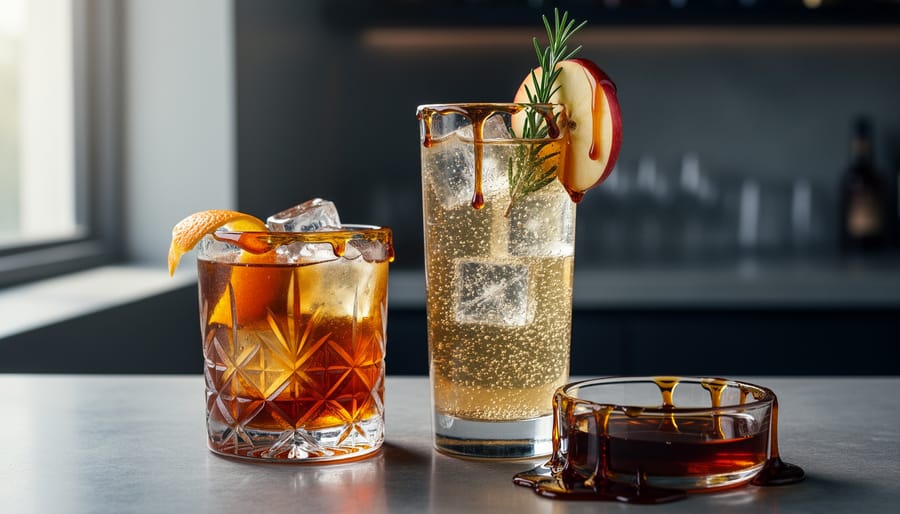
Natural maple syrup brings sophisticated depth to both alcoholic and alcohol-free beverages, functioning as a liquid sweetener that integrates seamlessly while adding complex caramel and vanilla notes. In cocktails, maple pairs exceptionally well with dark spirits, bourbon, rye whiskey, and aged rum, where its earthy sweetness complements wood-aged flavors. For a maple old fashioned, muddle 2 teaspoons of pure maple syrup with bitters, add 2 ounces of bourbon and ice, then stir until chilled. The syrup dissolves faster than sugar cubes and creates a silkier mouthfeel.
Maple elevates whiskey sours by replacing simple syrup entirely: shake 2 ounces bourbon, ¾ ounce fresh lemon juice, and ½ ounce maple syrup with ice. The result balances bright acidity with rounded sweetness.
For non-alcoholic options, maple transforms sparkling water into sophisticated sodas. Combine 1 tablespoon maple syrup with fresh rosemary or thyme, add sparkling water and a citrus squeeze. Maple also shines in drinking vinegars (shrubs): mix equal parts apple cider vinegar and maple syrup, add crushed berries, refrigerate overnight, then dilute with cold water or soda.
9. Maple Butter and Spreads
Whipping natural maple syrup into softened butter creates a luxurious spread that amplifies maple’s caramel notes while adding silky texture. Start with room-temperature unsalted butter (one stick) and beat it with a hand mixer until fluffy, then slowly drizzle in three tablespoons of pure maple syrup while continuing to whip. The key is gradual incorporation, adding syrup too quickly can break the emulsion. For cream cheese spreads, use the same ratio but blend until just combined to avoid thinning. Store both versions refrigerated in airtight containers for up to two weeks, though they’ll soften quickly at room temperature for easy spreading.
Beyond toast, maple butter shines in cooking: melt it over roasted sweet potatoes, swirl into oatmeal, or use as a finishing touch on grilled salmon. It also works brilliantly as a pastry filling for croissants or Danish, where the concentrated maple flavor holds up to baking heat. When choosing your syrup, understanding real vs alternatives ensures authentic depth rather than artificial sweetness that can turn cloying when concentrated.
10. Maple-Sweetened Sauces and Condiments
Natural maple syrup brings surprising depth to savory condiments, working as more than a simple sweetener. In barbecue sauces, it rounds out the heat from cayenne or chipotle while tempering the sharpness of vinegar and tomato. The sugars caramelize during cooking, creating layers of flavor that corn syrup can’t match. Start with your favorite BBQ sauce recipe and replace half the sugar with maple syrup, you’ll notice improved body and a subtle woodsy note that complements smoke.
Maple transforms homemade ketchup by balancing acidity and adding complexity without the cloying sweetness of refined sugar. For mustard blends, a tablespoon of maple per quarter-cup of Dijon creates a honey-mustard alternative with more character, perfect for glazing ham or finishing roasted vegetables.
The key is treating maple as a flavor component, not just sweetness. It carries its own terroir, hints of caramel, vanilla, sometimes butter, that elevates condiments from one-dimensional to nuanced. This same quality makes it valuable in frozen desserts like maple ice cream where its complexity shines through cold temperatures. When adapting recipes, reduce other liquids slightly to account for maple’s moisture and taste as you go, its intensity varies by grade.
11. Maple Granola and Breakfast Cereals
Natural maple syrup creates bakery-quality granola at home, serving as both sweetener and the binding agent that forms those desirable clusters. The key is using enough syrup to coat every oat and nut (about one-third cup per three cups of dry ingredients) while baking at a moderate 325°F for even caramelization without burning. Stir the mixture every ten minutes to prevent scorching and encourage cluster development as the maple sugars crystallize during cooling.
Darker maple syrup grades deliver more pronounced flavor that holds up against toasted nuts, coconut flakes, and warming spices like cinnamon or cardamom. Combine rolled oats with your choice of sliced almonds, pepitas, and sunflower seeds, then toss with melted coconut oil and maple syrup before spreading in a thin layer on parchment. Once cooled completely, mix in dried cranberries or chopped dates. Properly store maple syrup in the refrigerator after opening, since opened syrup lasts several months when kept cold and sealed.
12. Maple Ice Cream and Frozen Desserts
Natural maple syrup creates extraordinarily smooth frozen desserts with a distinct flavor that intensifies as temperatures drop. The sugar content in pure maple syrup lowers the freezing point slightly, resulting in a creamier texture that resists ice crystal formation better than granulated sugar alone. This makes maple particularly valuable in no-churn ice cream recipes where you can’t rely on constant churning for smoothness.
For a basic no-churn maple ice cream, whip two cups of heavy cream to stiff peaks, then fold in one 14-ounce can of sweetened condensed milk and half a cup of pure maple syrup. The maple flavor will taste more subtle when frozen than at room temperature, so don’t be afraid to use a generous amount. Grade A Dark maple syrup delivers more pronounced flavor than lighter grades in frozen applications.
Maple also shines in frozen yogurt bases and popsicles, where its liquid form distributes evenly without graininess. For popsicles, combine Greek yogurt with maple syrup and fresh fruit, adjusting sweetness to taste since freezing mutes sugar perception by about twenty percent.
Selecting the Right Maple Product for Your Recipe
Not all maple products are equal, and choosing the right form can make or break a recipe. Pure maple syrup is your workhorse, use Grade A Golden for delicate applications like drizzling over yogurt or sweetening tea, while Grade A Dark works beautifully in baking and glazes where you want robust flavor that can stand up to other ingredients. Grade A Very Dark brings intense, almost molasses-like notes perfect for barbecue sauces and hearty marinades.
Maple sugar, which is crystallized syrup, substitutes one-to-one for granulated sugar in dry applications. It’s ideal for spice rubs, rimming cocktail glasses, or dusting baked goods where liquid would create unwanted moisture. The upfront cost is higher, but the concentrated flavor means you often need less.
Maple extract offers convenience and shelf stability for baking projects where you want maple flavor without adding extra liquid. A quarter teaspoon typically equals about two tablespoons of syrup in flavor intensity, though it lacks syrup’s natural complexity. Reserve it for buttercream frostings, whipped cream, or cookie dough.
Here’s a quick reference for matching product to purpose:
- Grade A Golden syrup: finishing drizzles, delicate sauces, beverages
- Grade A Dark syrup: all-purpose baking, glazes, vinaigrettes
- Grade A Very Dark syrup: bold marinades, barbecue sauce, strong-flavored dishes
- Maple sugar: dry rubs, rimming glasses, crumb toppings, direct sugar substitution
- Maple extract: frostings, whipped toppings, recipes where liquid is problematic
For everyday cooking, keep Grade A Dark syrup in your pantry. Its balanced intensity works across most recipes, and the price per ounce makes it practical for regular use rather than treating maple as a special-occasion ingredient.
Common Questions About Cooking with Natural Maple Flavor
Can you substitute artificial maple flavoring for natural maple syrup?
While you can technically swap them, artificial flavoring lacks the complexity and depth of real maple. It won’t provide the same caramelization in cooking, and the one-dimensional sweetness often tastes synthetic compared to natural maple’s nuanced profile with hints of vanilla, caramel, and woodsy notes.
Does maple syrup burn easily when cooking?
Yes, the high sugar content means maple can burn quickly at temperatures above 350°F. When glazing or pan-frying, add maple toward the end of cooking, use medium heat, and watch carefully. For roasting, toss vegetables with maple in the final 10-15 minutes rather than the entire cooking time.
How long does opened maple syrup last?
Pure maple syrup stays fresh for about a year in the refrigerator once opened. Store it in an airtight container and check for mold on the surface before using. If you spot any, discard the syrup since mold spores can penetrate the liquid even if they’re only visible on top.
Is maple syrup healthier than white sugar or honey?
Maple syrup contains beneficial minerals like manganese and zinc, plus antioxidants that refined sugar lacks. However, it’s still a concentrated sugar source with similar calorie content. The advantage is the richer flavor means you often need less to achieve the same sweetness, and you’re getting trace nutrients along with it.
The difference between pancake syrup and real maple comes down to ingredients. Pancake syrup is typically corn syrup with artificial maple flavoring, caramel color, and preservatives. Real maple syrup contains one ingredient: concentrated sap from maple trees. You’ll notice the distinction immediately in cooking since pancake syrup won’t caramelize properly, lacks depth, and can leave a chemical aftertaste in finished dishes. For savory applications especially, natural maple integrates seamlessly into marinades, glazes, and dressings where imitation versions fall flat.
Natural maple flavor belongs in every corner of your kitchen, not just beside the waffle iron. From savory glazes that transform roasted vegetables to sophisticated cocktails and creative cannabis edibles, real maple syrup offers a depth artificial versions can’t match. The complex sugars and flavor compounds developed during sap collection and boiling create layers of taste that evolve as they cook, caramelizing on proteins, balancing acidity in dressings, and adding warmth to frozen desserts.
Understanding where maple flavor comes from makes you a better cook. When you know that forty gallons of sap boil down to a single gallon of syrup, you appreciate why that drizzle matters. The seasonal rhythm of tapping trees, collecting sap during freeze-thaw cycles, and carefully monitoring evaporation connects you to centuries of craft. This knowledge changes how you measure, taste, and combine ingredients.
Start with one unfamiliar application from this list. Try maple in your next marinade or vinaigrette. Experiment with different grades to discover which intensity suits your palate. The best recipes come from curiosity and a willingness to move beyond tradition. Your kitchen holds countless opportunities to showcase natural maple’s versatility.